What Actually Sells Your House: An Agent's Honest Guide
Getting Your House Ready for Sale: The Agent's Truth About What Actually Matters
There's a version of this article that lists obvious tips like "tidy your kitchen" and "put fresh flowers in the hallway." This isn't that article.
After decades of combined experience in the Runcorn and Cheshire property market, the team here at HomeSmart Estates has walked through hundreds — probably thousands — of properties at every stage of preparation. We've seen beautifully renovated homes sit on the market for months, and we've seen modest terraces sell for over asking price within days. The difference, almost every time, comes down to a handful of things that most generic guides simply don't tell you.
So consider this your insider's briefing. Honest, practical, and based on what actually moves buyers in today's market.
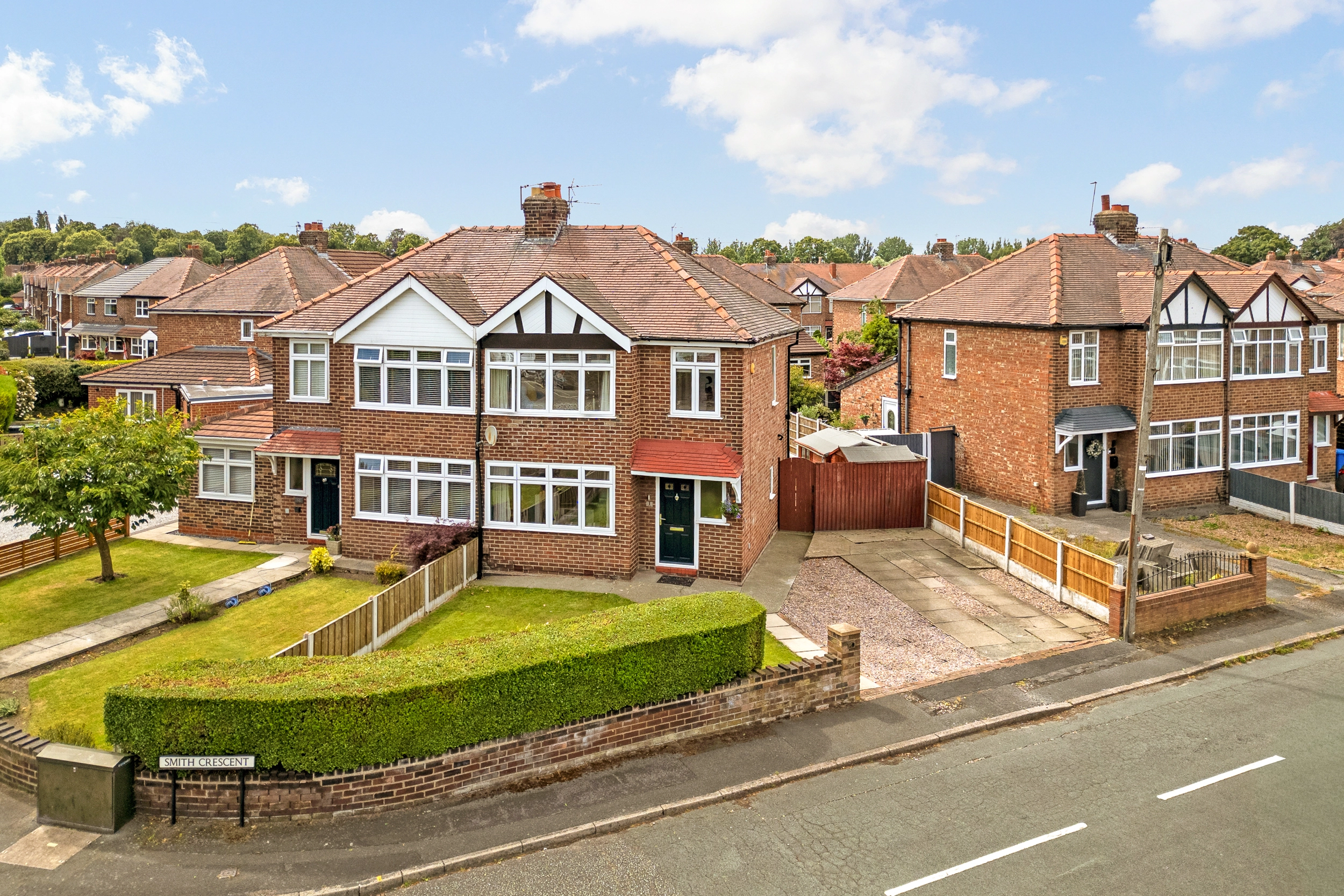
First Impressions Are Made Before They Step Through the Door
Buyers form an emotional opinion of your home before they've even touched the front door handle. Research consistently shows that people make a subconscious judgement within seconds of arriving — and that first impression colours everything they see afterwards.
This means kerb appeal isn't a nice-to-have. It's the foundation of your entire sale.
What Actually Makes a Difference Outside
The front door is the single most impactful exterior element. A freshly painted front door — in a clean, confident colour — signals that a home is loved and well-maintained. It costs very little but communicates a great deal.
Weeds, moss, and overgrown hedges send a subconscious message that the property hasn't been cared for. Buyers start mentally tallying up jobs before they've seen a single room.
Bins, clutter, and cars parked awkwardly in front of the property all feature in photographs and viewings. Move them. It sounds obvious, but it's overlooked constantly.
Gutters and fascias might not sound glamorous, but a buyer who notices blocked gutters or peeling fascias will immediately wonder what else has been neglected.
Lighting matters more than most sellers realise, particularly for evening viewings in autumn and winter. A well-lit pathway and a working porch light make a property feel welcoming and safe.
The HomeSmart view: If your property photographs well from the street, more people will click on your listing. More clicks mean more viewings. More viewings mean more offers. Kerb appeal isn't just about aesthetics — it directly drives the number of people who walk through your door.
Decluttering and Depersonalisation: It's Not About You Anymore
This is the piece of advice that sellers most commonly resist — and the one that makes the biggest difference to how quickly a property sells.
When buyers walk through your home, they're not looking at your life. They're trying to imagine their own. Every family photo on the wall, every personalised keepsake on the shelf, and every piece of furniture that's slightly too large for the room makes that imaginative leap harder.
Practical Steps That Actually Work
Start with the surfaces. Kitchen worktops, bathroom shelves, and windowsills should be as clear as possible. Buyers open cupboards — they want to see storage potential, not your cereal collection.
Tackle the furniture. If a room feels cramped, consider whether a piece of furniture can be temporarily removed or stored. Rooms feel larger when there's clear floor space and a logical flow.
Depersonalise thoughtfully. You don't need to strip the home of all character — a completely bare house can feel cold and uninviting. The goal is to reduce the your in the space so buyers can project themselves into it.
Don't just move clutter — remove it. Stacking boxes in the spare room or cramming things into the garage simply moves the problem. Buyers will look there too.
The loft and garage matter. If these spaces are packed to the rafters, buyers will assume there isn't enough storage in the house. A tidied loft or garage signals spaciousness and practicality.
A word of honesty: Most of us are blind to our own clutter. Ask a trusted friend — or your estate agent — to walk through with fresh eyes and tell you what stands out. It's one of the most valuable conversations you can have before going to market.
Strategic Repairs: Spend Wisely, Not Widely
Here's where we'll save you some money — and some unnecessary stress.
Not every repair is worth doing before you sell. In fact, some sellers spend thousands on improvements that buyers either don't notice or don't value. At the same time, there are relatively small fixes that, left undone, can genuinely damage buyer confidence and your negotiating position.
Fixes That Genuinely Matter
Damp and water damage. If there are visible stains, peeling wallpaper, or a musty smell, buyers will notice — and surveyors certainly will. Address the cause, not just the symptom.
Broken fixtures and fittings. A dripping tap, a door that doesn't close properly, a cracked tile in the bathroom — individually these seem minor, but collectively they create an impression of a home that hasn't been looked after.
Electrics and boilers. If your boiler is old or your electrics haven't been checked in years, having up-to-date service records or a recent inspection certificate is reassuring to buyers and can prevent issues arising during the conveyancing process.
Neutral decoration. You don't need to redecorate the entire house, but if you have a room with very bold or unusual colours, a fresh coat of neutral paint is almost always worth the effort. It broadens your appeal significantly.
Fixes That Rarely Pay Off
Full kitchen or bathroom renovations. Unless your kitchen is genuinely beyond reasonable use, a full renovation before selling is rarely recouped in the sale price. A thorough clean, new handles, and fresh sealant will do far more for far less.
Loft conversions or extensions. Major structural work undertaken purely to increase sale value is a high-risk strategy. The costs, disruption, and time involved rarely deliver a proportionate return in a straightforward sale scenario.
Landscaping the garden to a show-home standard. A tidy, well-maintained garden is important. A professionally landscaped one is not necessary and unlikely to add the equivalent value to your sale price.
The rule of thumb we use: If a repair prevents a buyer from making a negative note on their viewing, it's worth doing. If it's purely cosmetic enhancement, weigh the cost carefully against the likely return.
The Viewing Experience: Where Sales Are Won and Lost
Photographs get buyers through the door. The viewing is where they decide whether to make an offer.
The atmosphere of a viewing is something many sellers underestimate. Buyers are not just assessing square footage and room sizes — they're asking themselves, "Could I live here? Could this feel like home?" Your job is to make the answer an instinctive yes.
Setting the Scene
Temperature. A warm home in winter and a cool, well-ventilated home in summer feels immediately welcoming. A cold or stuffy house is an instant mood-dampener.
Natural light. Open every blind and curtain before a viewing. Clean your windows inside and out. Light sells space.
Smell. This is one of the most powerful and most overlooked factors. Avoid strong artificial air fresheners — they can feel like you're masking something. Instead, ensure the home is well-ventilated, clean, and perhaps has something subtly pleasant: fresh coffee, bread, or simply clean air.
Noise. Turn off the television. If you have pets, arrange for them to be elsewhere during viewings where possible — not everyone is comfortable around animals, and it removes a potential distraction.
Tidiness on the day. This sounds obvious, but the day-of preparation matters enormously. Beds made, dishes away, bathroom surfaces wiped down, floors vacuumed. It takes an hour and makes a significant difference.
The Human Element
If you're present during viewings, be welcoming but give buyers space. Hovering or talking too much can make people feel uncomfortable and prevent them from having an honest conversation with their agent.
If your estate agent is conducting the viewing — which is often preferable — trust them to guide the conversation. A good agent knows when to talk and when to let the property speak for itself.
Presentation and Pricing: The Connection Most Sellers Miss
Here's something the industry doesn't always say clearly enough: presentation directly influences the price a buyer is willing to pay.
It's not just about aesthetics. It's about psychology. A well-presented home signals to a buyer that it has been cared for, that there are unlikely to be hidden problems, and that they can move in without significant additional expenditure. That confidence translates into stronger offers and less aggressive negotiation.
Conversely, a home that feels tired or neglected — even if the bones are excellent — invites buyers to mentally reduce their offer to account for the work they perceive they'll need to do. Often, that perceived cost is far higher than the actual cost of the improvements you didn't make.
What This Means in Practice
A well-presented home in today's Runcorn market is more likely to attract multiple interested parties, which creates competitive tension and supports the asking price.
Presentation reduces the likelihood of buyers using a survey to negotiate aggressively on price, because there are fewer obvious issues to point to.
First-time buyers in particular — a significant part of the market in Cheshire — are often looking for homes they can move into with minimal stress. A move-in-ready presentation dramatically widens your pool of potential buyers.
Our honest assessment: We've seen properties where a seller has invested a weekend of effort and a few hundred pounds in preparation, and achieved a sale price several thousand pounds above what a comparable, less-prepared property achieved on the same street. Presentation is not a superficial concern — it is a financial one.
Where to Start: A Prioritised Approach
If you're feeling overwhelmed, here's the order we'd recommend tackling things:
Kerb appeal first — it affects your photography, your online listing, and every single viewing.
Declutter and depersonalise — this costs nothing but time and makes a disproportionate difference.
Address any visible maintenance issues — damp, broken fittings, and tired decoration.
Deep clean throughout — professionally if possible.
Stage the viewing experience — light, temperature, smell, and tidiness on the day.
Ready to Take the Next Step?
Preparing your home for sale doesn't need to be overwhelming — and it doesn't need to cost a fortune. What it does require is an honest, clear-eyed assessment of what your property looks like through a buyer's eyes.
That's exactly the kind of conversation we have with every seller we work with at HomeSmart Estates. With over 50 years of combined experience in the Runcorn and Cheshire property market, John, Helen, and the team know what buyers in this area are looking for — and how to present your home to attract the best possible outcome.
If you're thinking about selling and would like an honest, no-obligation conversation about how to prepare your property for the market, we'd love to hear from you.
Call us on 01928 246888, email info@homesmartestates.com, or visit us at 60A High Street, Runcorn, WA7 1AW.
You can also find us on Facebook, Instagram, and LinkedIn for regular property tips and local market updates.
HomeSmart Estates — because getting it right from the start makes all the difference.