Buyers and Sellers: What Happens After Your Offer Is Accepted
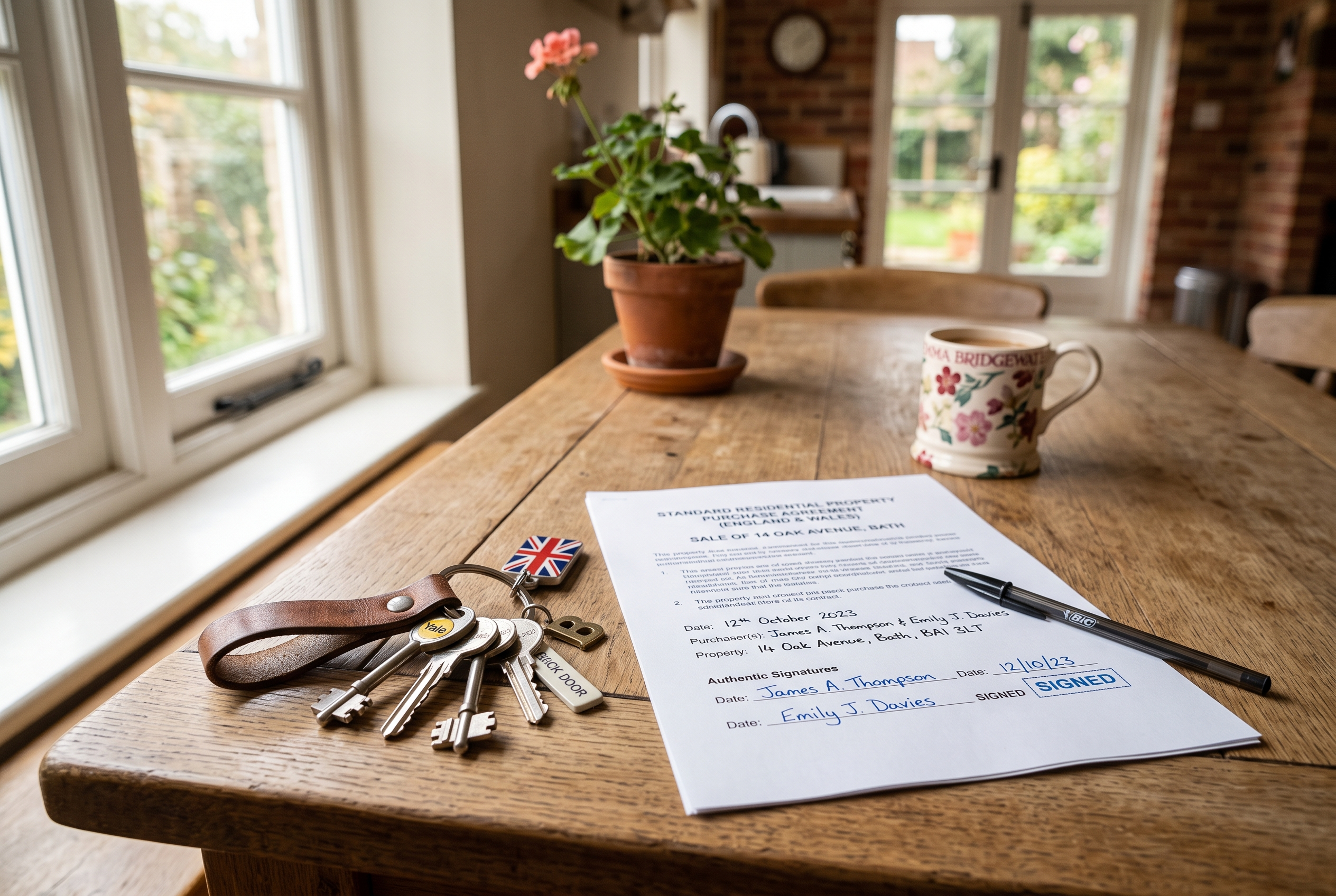
What Actually Happens After You Accept an Offer?
The offer is agreed. Hands are shaken, the price is settled, and there is a lovely moment of relief. Then, very quickly, the question arrives: What now?
The days just after an offer is accepted can feel busy and a little mysterious, with forms, phone calls, and requests for information. So here is a friendly overview of what actually happens next, and why. Every agent works slightly differently, so treat this as the shape of things rather than a rigid script.
What happens straight after your offer is accepted?
Behind the scenes, the agent moves into a set-up phase. Before any legal work can begin, they need to confirm who everyone is, gather a few key details, and put the sale down in writing so both sides' solicitors can get going. It is mostly admin, but it is the admin that gets your move moving.
Why does the agent need to check my ID?
This is the part that surprises people, so it is worth being clear. Estate agents are required by law to carry out identity and anti-money laundering checks, and they are supervised by HMRC to make sure they do. It is not the agent being nosey or intrusive. It is a legal duty that applies to every sale and every agent, with no exceptions.
How it is done varies. Some agents carry out the checks in-house, while others use a specialist third-party service to verify identities on their behalf. That is completely normal, so do not be surprised if the request comes from a company you have not heard of, acting for the agent.
Either way, what you need to provide is much the same:
Photo identification, such as a passport or driving licence.
Proof of your current address, such as a recent utility bill or bank statement.
For buyers, evidence of where the money for the purchase is coming from, known as proof of funds. There is more on exactly what that can look like below.
It is quick, it is routine, and everyone in the transaction goes through it. The sooner you provide it, the sooner things can progress.
What counts as proof of funds?
This is the part buyers ask about most, so it is worth going into properly. The agent needs to understand where the money for this purchase is coming from, which is called your source of funds. For larger or less straightforward sums, they may also look at the bigger picture of how you built your money over time, known as your source of wealth. As a rule, the larger or more unusual the amount, the more they will ask.
Exactly what you are asked for depends on how you are funding the purchase. Here are the most common situations:
Buying with a mortgage. Usually your mortgage agreement in principle, together with recent bank statements showing the deposit you are putting in.
Buying with cash, or with a large cash deposit. Expect a little more, because a bigger share of the price needs explaining. Typically bank statements showing the money, along with earlier statements that show how it built up over time, so a large balance is not left unexplained. If it came from investments or shares you have sold, the statements or receipts for those.
A gifted deposit. A letter from whoever is gifting the money confirming it is a gift, plus proof of their identity and evidence of where their money came from. The person giving the gift is checked too.
Money from an inheritance. Evidence that the money was left to you, such as a grant of probate or a letter from the solicitor who dealt with the estate.
Money tied up in a property you are selling. This is a common one. Your funds are the equity in your current home, not cash sitting in a bank account, so the agent asks for evidence of that sale instead. That usually means the memorandum of sale for the property you are selling, or a solicitor's completion statement showing the money coming to you.
None of this is the agent prying into your private life. They are legally required to establish that the money is legitimate, and to keep a record of what they have checked. Having the right documents ready simply gets you through it more quickly.
What other details will the agent ask for?
To turn an agreed offer into a live, working sale, the agent needs to know who is doing what. Expect them to ask for a handful of things:
Your solicitor or conveyancer's details, so the legal work can be instructed on both sides.
For buyers, your mortgage broker or lender's details, to confirm the mortgage is being arranged.
Confirmation of your position, such as whether you are a cash buyer, have a mortgage agreed in principle, or have a property to sell.
If you do not yet have a solicitor lined up, that is fine, but sorting one quickly is one of the most helpful things you can do. Nothing legal can start until both sides are instructed.
What is a memorandum of sale?
Once the checks are done and the details are in, the agent issues a memorandum of sale. It is simply a document confirming the agreed sale: the property, the price, and the names and contacts for both parties and their solicitors. It is sent to everyone involved and is the starting gun for the conveyancing process.
What happens if there is a chain?
A chain is where several linked sales all depend on one another, for example your buyer is selling their own home, and you are buying your next one. It is very common, and nothing to fear, but it does affect pace. The simple rule is that a chain moves at the speed of its slowest link. One party waiting on a mortgage or a solicitor can hold up everyone else, which is why patience and good communication matter so much. A good agent keeps in touch along the chain and chases gently to keep things moving.
What if the seller still needs to find a home?
Sometimes a seller accepts an offer before they have found their own next place. You may see this described as sold subject to the seller finding a property. It means the seller now becomes a buyer too, and the sale can only complete once they have somewhere to go. This is perfectly normal, but it is worth understanding, because it can affect timing. A good agent will be honest with you about where everyone stands, and will actively help their seller find an onward home so the whole chain can move together.
What can you do to keep things moving?
Get your identification and paperwork ready, so the checks are done in a day, not a fortnight.
Instruct a solicitor promptly, and give the agent their details straight away.
Reply quickly to questions and requests. Small delays add up across a chain.
Stay in touch with your agent, and do not be afraid to ask where things are up to.
Frequently asked questions
Why do estate agents ask for ID and proof of funds?
Because they are legally required to. Estate agents must carry out identity and anti-money laundering checks and are supervised by HMRC for it. It applies to every sale and every agent, and some use a third-party service to do it. It is a legal duty, not the agent being intrusive.
What if I am buying with cash, or my money is tied up in a property I am selling?
The agent still needs to see where the money comes from. For cash, that usually means bank statements showing the funds and how they built up over time. If the money is the equity in a property you are selling, they will ask for evidence of that sale instead, such as the memorandum of sale or your solicitor's completion statement.
What is a memorandum of sale?
It is the document the agent issues once an offer is agreed, confirming the property, the price, and the details of both parties and their solicitors. It is sent to everyone involved and effectively starts the legal process.
What happens if the person I am buying from has not found a house yet?
The sale becomes dependent on them finding an onward property, sometimes called sold subject to the seller finding a home. It is common and manageable, but it can affect timing, so a good agent will be upfront about it and help their seller find somewhere.
If you have just had an offer accepted, or you are about to, and you would like someone to walk you through what happens next in plain English, we are always happy to help. There are no silly questions here. If you know someone in the middle of a move who would find this reassuring, please share it with them.